Put a £5 deposit on vapes to stop fires, say waste companies

 Getty Images
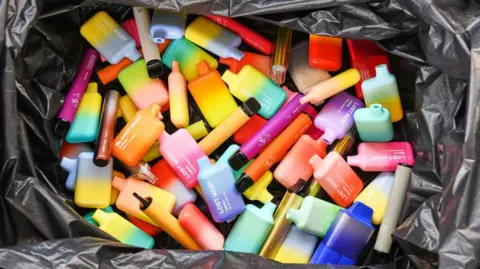
Waste companies have called for a deposit of up to £5 to be charged on vapes to encourage people to dispose of them properly.
Disposable vapes were banned a year ago, partly because of the fires they can cause in bin lorries and waste facilities when thrown away with general rubbish.
But the industry body for waste companies says vape recycling has not improved enough, so a small, refundable deposit at the point of purchase is a "simple, fair, efficient and cost-neutral solution".
Some vape companies oppose the idea of a deposit scheme, saying it would encourage people to buy from illicit retailers who don't charge it.
Under the Environmental Services Association's (ESA) proposal, a deposit would be charged on vapes when purchased, and returned to customers when they dispose of the vape properly.
Vapes can already be returned to stores where they are purchased – which are meant to have facilities to take them back – or returned to recycling facilities.
They should not be put in normal bins, general recycling, or littered in the environment.
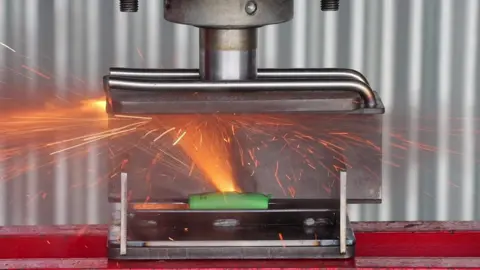
If they're crushed in bin lorries or waste treatment plants, vapes can short circuit and start a fire because of the huge amount of energy contained in their lithium batteries.
The ESA says a deposit would have to be large enough to incentivise people to dispose of vapes properly.
Biffa, the UK's largest waste company, has put forward the figure of £5, but that would be subject to consultation if the idea progresses.
Patrick Brighty, ESA's head of recycling policy, said: "Despite the ban, each week operators across the waste sector continue to see hundreds of thousands of carelessly discarded vapes arrive at their facilities hidden among other waste, which poses a major fire risk.
"Vapes discarded with other rubbish are also unlikely to be recycled, which is a chronic waste of the precious materials they contain."
He said the existing infrastructure to take back and recycle vapes was "currently underperforming" because of a lack of incentives for people to use it.
 Resonate Testing Limited
The number of vapes thrown away each week has fallen since disposables were banned, but only from 8.2 million per week to about six million, according to recycling organisation Material Focus.
Some firms offer reusable vapes which are similar in size and price to popular disposable models, but added USB ports and reusable tanks make them qualify as reusable.
The Local Government Association (LGA) has called for these to be banned. Chairwoman of the LGA's health and wellbeing committee, councillor Dr Wendy Taylor, said year two of the ban must focus on enforcement and closing the "loophole" of these vapes.
"A year on, the volume of vapes in our bins has dropped, but industry has moved faster than regulation – the products causing fires in our bin lorries today are effectively the same disposables in a different shell," she said.
Marcus Saxton, chairman of the Independent British Vape Trade Association, conceded there was "more to be done" in encouraging people to recycle vapes.
But he warned a deposit scheme would encourage people to buy from illicit retailers who didn't make them pay it.
"Those retailers that aren't abiding by their legal obligation won't do this, it won't be enforced, and ultimately consumers will go to that route to purchase which is a complete disaster," Saxton said.
He added that "we know that there are a number of illicit retailers at the moment that are either taking supply from the black market or just not abiding by their legal obligations today".
The Department for Environment, Food and Rural Affairs did not directly respond to questions about a refundable deposit for vapes.
Environment Secretary Emma Reynolds said the government had taken "decisive action" to address the harm caused by disposable vapes.
She said ministers "are committed to going further" by holding retailers to account if they do not have vape recycling bins.
 Nottinghamshire Fire and Rescue Service