Second tanker in three months hijacked off Yemen by suspected Somali pirates
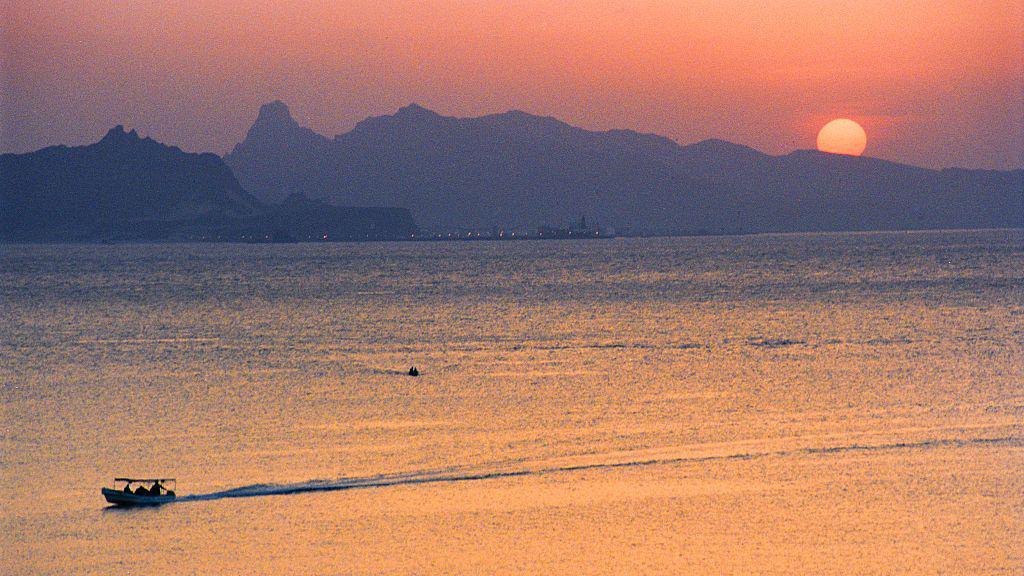 Image source, Getty Images
There have been several recent pirate attacks in the Gulf of Aden (file photo)
-
Published2 hours ago
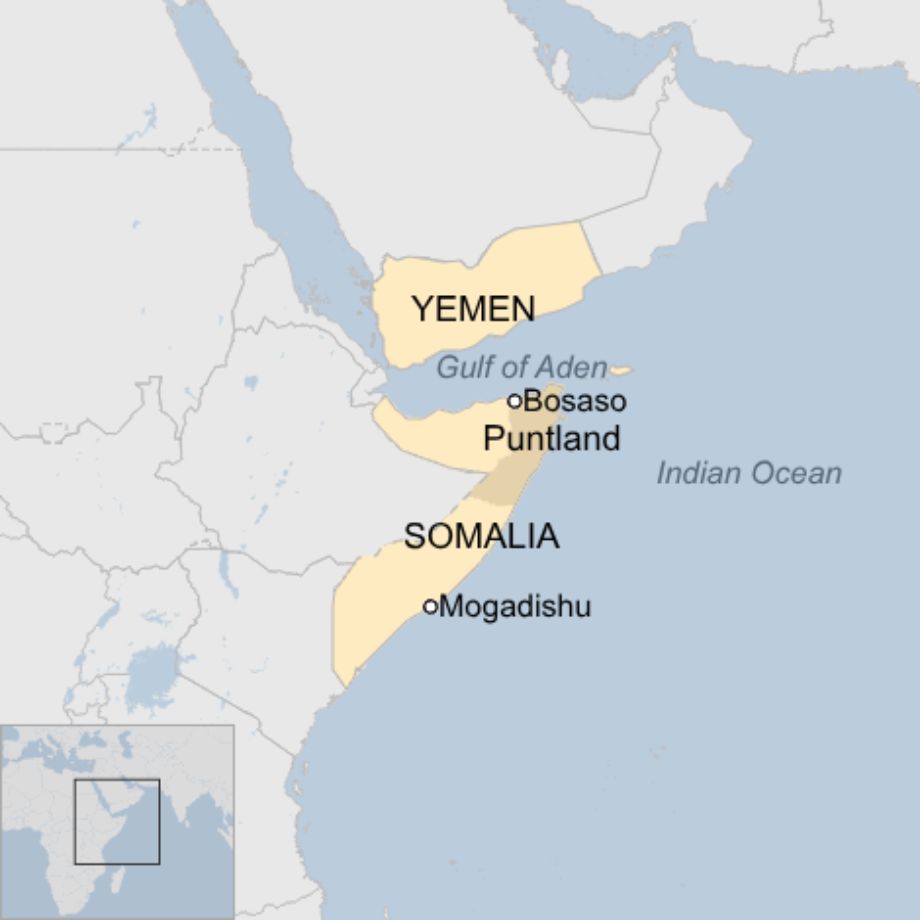
Pirates have hijacked a tanker in the Gulf of Aden off the coast of Yemen, according to a UK maritime safety organisation (UKMTO) and Somali security officials.
The UKMTO said a "vessel was boarded by unauthorised personnel" as it sailed east, adding that other ships were "advised to transit with caution". Officials from Somalia's semi-autonomous Puntland region said the attackers were Somali.
This is the second hijacking of a vessel off the coast of Yemen since May, when the MT Eureka was seized near the port of Qana. Two other ships were boarded by pirates in the Indian Ocean in April.
There have also been several unsuccessful attacks in a region where piracy appears to be making a comeback.
Until three years ago these kinds of incidents had almost disappeared in this area once notorious for hijackings, following a concerted security operation involving several navies.
-
Somali piracy 2.0 – the BBC meets the new robbers of the high seas
-
Published22 December 2024
-
Speaking to the BBC, three Puntland security officials separately identified the craft hijacked on Friday as a tanker named MT Astana.
They added that it was seized by seven gunmen who had set off from a remote area near the Puntland port town of Garacad before making their way to the Gulf of Aden.
The MT Astana, sailing under a Tanzanian flag, was en route to the port of Bosaso in Puntland, when it was boarded 65 nautical miles off Yemen.
Whereas the Indian Ocean is heavily patrolled by the European Union Naval Force, which oversees anti-piracy operations in Somalia, the Gulf of Aden is more lightly protected.
According to the Puntland officials, this could explain why it has now become an area of operation for the pirates.
.sc-brqgnP {} .kZgeZO{width:100%;background-color:#fff;box-sizing:border-box;}
@font-face {
font-family: ‘ReithSans’;
font-display: swap;
src: url(https://c.files.bbci.co.uk/graphics/static/media/BBCReithSans_W_Rg.woff2) format(“woff2”);
}
@font-face {
font-family: ‘ReithSans’;
font-display: swap;
src: url(https://c.files.bbci.co.uk/graphics/static/media/BBCReithSans_W_Bd.woff2) format(“woff2”);
font-weight: bold;
}
@font-face {
font-family: ‘BBCNassim’;
font-display: swap;
src: url(https://c.files.bbci.co.uk/graphics/static/media/BBC-Nassim-Regular-1-55-URD-Desktop.ttf) format(“truetype”);
}
@font-face {
font-family: ‘BBCNassim’;
font-display: swap;
src: url(https://c.files.bbci.co.uk/graphics/static/media/BBC-Nassim-Bold-1-55-URD-Desktop.ttf) format(“truetype”);
font-weight: bold;
}
@font-face {
font-family: ‘Iskoola_pota_bbc’;
font-display: swap;
src: url(https://c.files.bbci.co.uk/graphics/static/media/iskpotaRegular.ttf) format(“truetype”);
}
@font-face {
font-family: ‘Iskoola_pota_bbc’;
font-display: swap;
src: url(https://c.files.bbci.co.uk/graphics/static/media/iskpotaBold.ttf) format(“truetype”);
font-weight: bold;
}
@font-face {
font-family: ‘Latha’;
font-display: swap;
src: url(https://c.files.bbci.co.uk/graphics/static/media/lathaRegular.ttf) format(“truetype”);
}
@font-face {
font-family: ‘Latha’;
font-display: swap;
src: url(https://c.files.bbci.co.uk/graphics/static/media/lathaBold.ttf) format(“truetype”);
font-weight: bold;
}
@font-face {
font-family: ‘Mangal’;
font-display: swap;
src: url(https://c.files.bbci.co.uk/graphics/static/media/mangalRegular.ttf) format(“truetype”);
}
@font-face {
font-family: ‘Mangal’;
font-display: swap;
src: url(https://c.files.bbci.co.uk/graphics/static/media/mangalBold.ttf) format(“truetype”);
font-weight: bold;
}
@font-face {
font-family: ‘Noto Sans CJK KR’;
font-display: swap;
src: url(https://c.files.bbci.co.uk/graphics/static/media/NotoSansCJKkr-Regular.otf) format(“opentype”);
}
@font-face {
font-family: ‘Noto Sans CJK KR’;
font-display: swap;
src: url(https://c.files.bbci.co.uk/graphics/static/media/NotoSansCJKkr-Bold.otf) format(“opentype”);
font-weight: bold;
}
@font-face {
font-family: ‘Noto Sans Gurmukhi’;
font-display: swap;
src: url(https://c.files.bbci.co.uk/graphics/static/media/NotoSansGurmukhi-Regular.ttf) format(“truetype”);
}
@font-face {
font-family: ‘Noto Sans Gurmukhi’;
font-display: swap;
src: url(https://c.files.bbci.co.uk/graphics/static/media/NotoSansGurmukhi-Bold.ttf) format(“truetype”);
font-weight: bold;
}
@font-face {
font-family: ‘Padauk’;
font-display: swap;
src: url(https://c.files.bbci.co.uk/graphics/static/media/PadaukRegular.ttf) format(“truetype”);
}
@font-face {
font-family: ‘Padauk’;
font-display: swap;
src: url(https://c.files.bbci.co.uk/graphics/static/media/PadaukBold.ttf) format(“truetype”);
font-weight: bold;
}
@font-face {
font-family: ‘Shonar_bangala’;
font-display: swap;
src: url(https://c.files.bbci.co.uk/graphics/static/media/ShonarRegular.ttf) format(“truetype”);
}
@font-face {
font-family: ‘Shonar_bangala’;
font-display: swap;
src: url(https://c.files.bbci.co.uk/graphics/static/media/ShonarBold.ttf) format(“truetype”);
font-weight: bold;
}
@font-face {
font-family: ‘NotoSansEthiopic’;
font-display: swap;
src: url(https://c.files.bbci.co.uk/graphics/static/media/NotoSansEthiopic-Regular.ttf) format(“truetype”);
}
@font-face {
font-family: ‘NotoSansEthiopic’;
font-display: swap;
src: url(https://c.files.bbci.co.uk/graphics/static/media/NotoSansEthiopic-Bold.ttf) format(“truetype”);
font-weight: bold;
}
@font-face {
font-family: ‘Mallanna’;
font-display: swap;
src: url(https://c.files.bbci.co.uk/graphics/static/media/mallanna.ttf) format(“truetype”);
}
You may also be interested in:
-
Is there a fresh wave of piracy off Somalia's coast?
-
Published3 February 2024
-
-
How foreign powers have stopped pirates in Somalia
-
Published11 December 2018
-

Go to BBCAfrica.com, external for more news from the African continent.
Follow us on Twitter @BBCAfrica, external, on Facebook at BBC Africa, external or on Instagram at bbcafrica, external