'I'd rather not leave the house so I don't get into more debt'
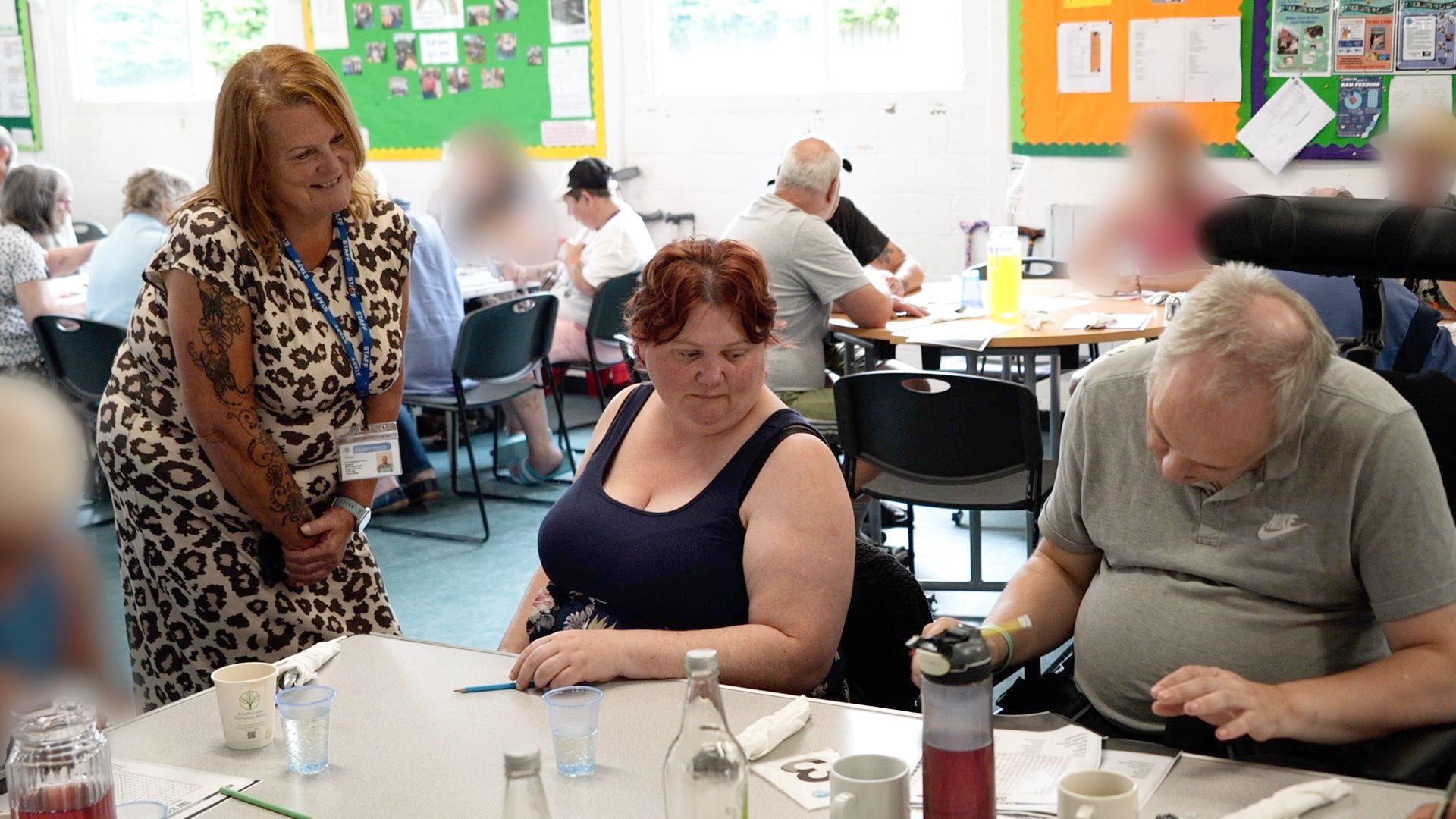 Image source, Shaun Whitmore/BBC
People struggling with finances getting support from debt adviser Teresa Tennant and volunteers at St Mary Magdalene Church in Gorleston-on-Sea
-
Published9 minutes ago
"It's awful, it's like a weight on me constantly, and no matter what I do or what I try to do, I always end up back here."
Shannon, a 27-year-old mum of one, feels isolated by her money worries, but she is far from alone.
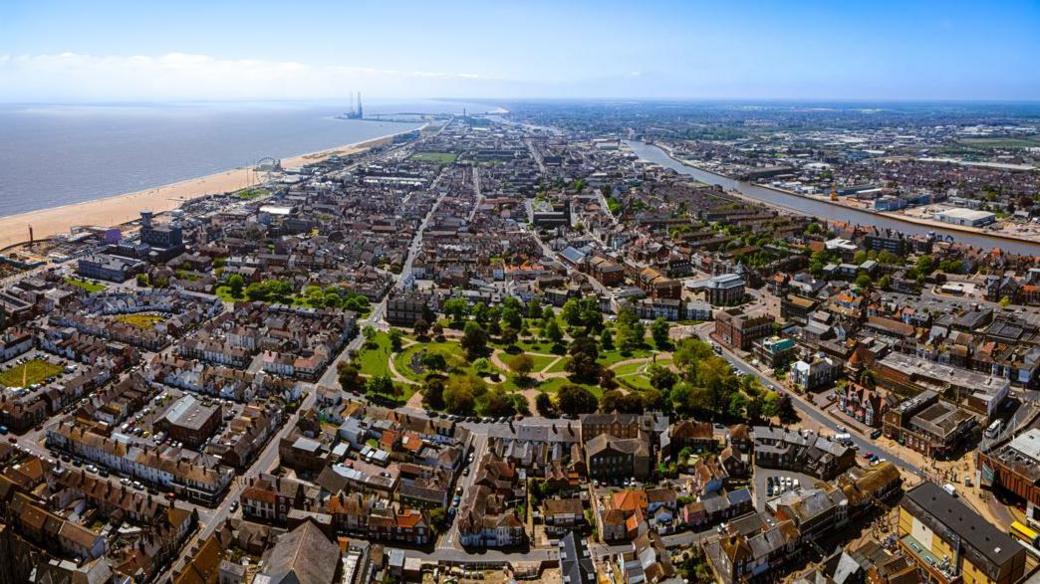
Her town, Great Yarmouth, has the third highest rate of people needing debt support in England and Wales, according to government figures.
In March 2026, 29.1% of people aged 16 to 65 in the Norfolk coastal town were on Universal Credit, compared with 18.4% for the county as a whole, and 19.2% in England.
 Image source, Shaun Whitmore/BBC
Unexpected expenses, such as a broken washing machine, are a constant worry for Shannon
Shannon first got into debt about 10 years ago when she had to borrow money to buy expensive boots for her job as a security guard.
Explaining the day-to-day impact, she says: "I don't want to do anything, I don't want to eat, I'd rather not leave the house because I won't spend money and I won't get in more debt.
"So, it's isolating. I don't know, there's not a word for it… it's crippling."
She does not seek to blame others but appreciates she lacked life skills around money and budgeting, which could have been taught at school and by family.
"But because I have to find out things for myself, it kind of went wrong," she explains.
She says "there's always something that pops up" that means she cannot get into the black, particularly around her young son's extra needs, which she willingly puts first.
"I do hope one day that I can wake up and be like, 'Oh, I'm not in debt today. Let's go to the beach and have a good day and not think about anything,'" she says.
"But life goes on. I'm a very happy person – I just get on with it."
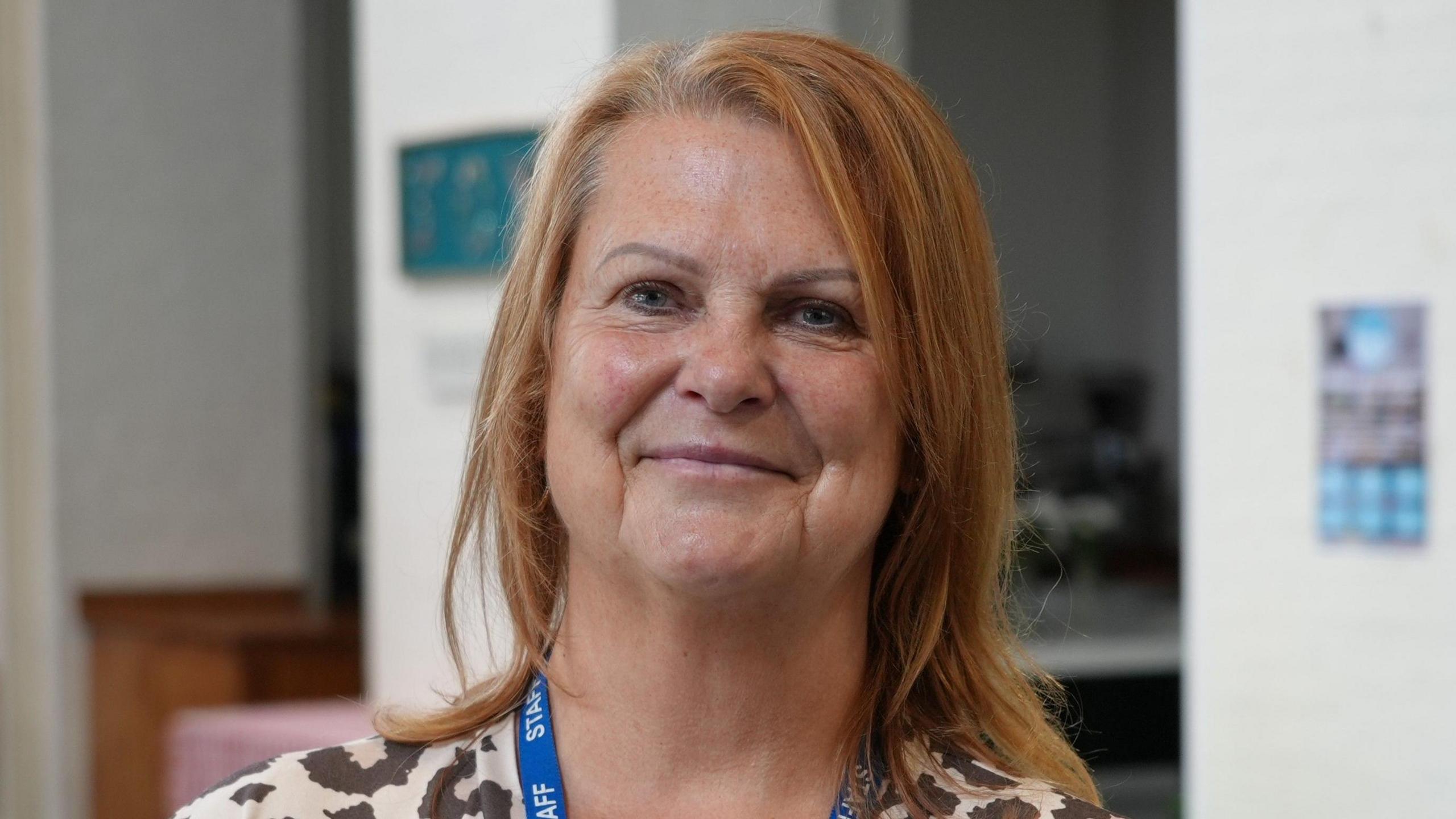 Image source, Shaun Whitmore/BBC
Teresa Tennant says she has helped wipe thousands of pounds of debt
Help is at hand, however. Every week, debt adviser Teresa Tennant joins volunteers offering support and free community lunches at St Mary Magdalene Church in neighbouring Gorleston-on-Sea.
She works for Dial, a charity that offers help with money, benefits and debt.
"Every single person I talk to is struggling to make ends meet with food parcels, with clothing the children for school, from people 20 upwards, to pensioners," she says.
"Sometimes, it builds up and builds up and they don't know where to go and they don't know how to cope.
"It can be just having a chat with somebody to say, 'OK we can sort this,' and that's all they need to be able to move forwards."
While she has a long list of people waiting for her help, she adds: "We can support anybody and any problem can be worked [through] by myself or one of my colleagues."
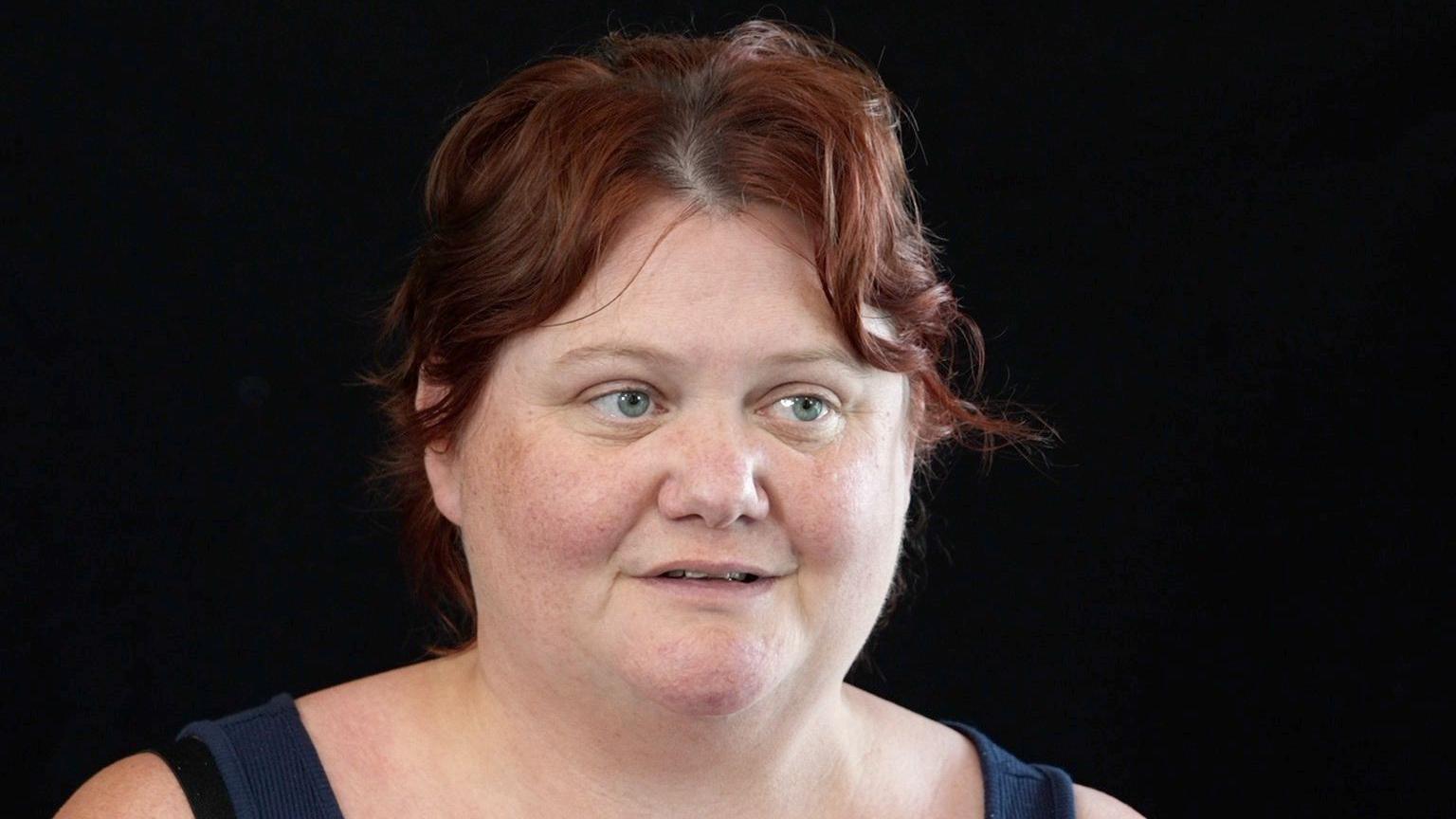 Image source, Shaun Whitmore/BBC
Cathy Grey says those in debt should not feel embarrassed or guilty
Among those helping out at the church is Cathy Grey, 46, who came to its food bank when her debt became "too much". She now encourages others to seek help.
"It was very difficult to know where to go once you got yourself in that rut," says Grey, who had to stop work to care for her husband, who has multiple sclerosis (MS).
"It was a bit like, 'What do I pay, what don't I pay, do I not feed my kids, do I not pay the essential bills?'
"I would happily go out to work tomorrow but, unfortunately, I can't leave my husband, he's so ill."
She eventually settled her debts and says she feels much calmer as a result.
"Don't be frightened to hold your hand up and say, 'Give me some help,'" she says.
"Someone's going to point you in the right direction."
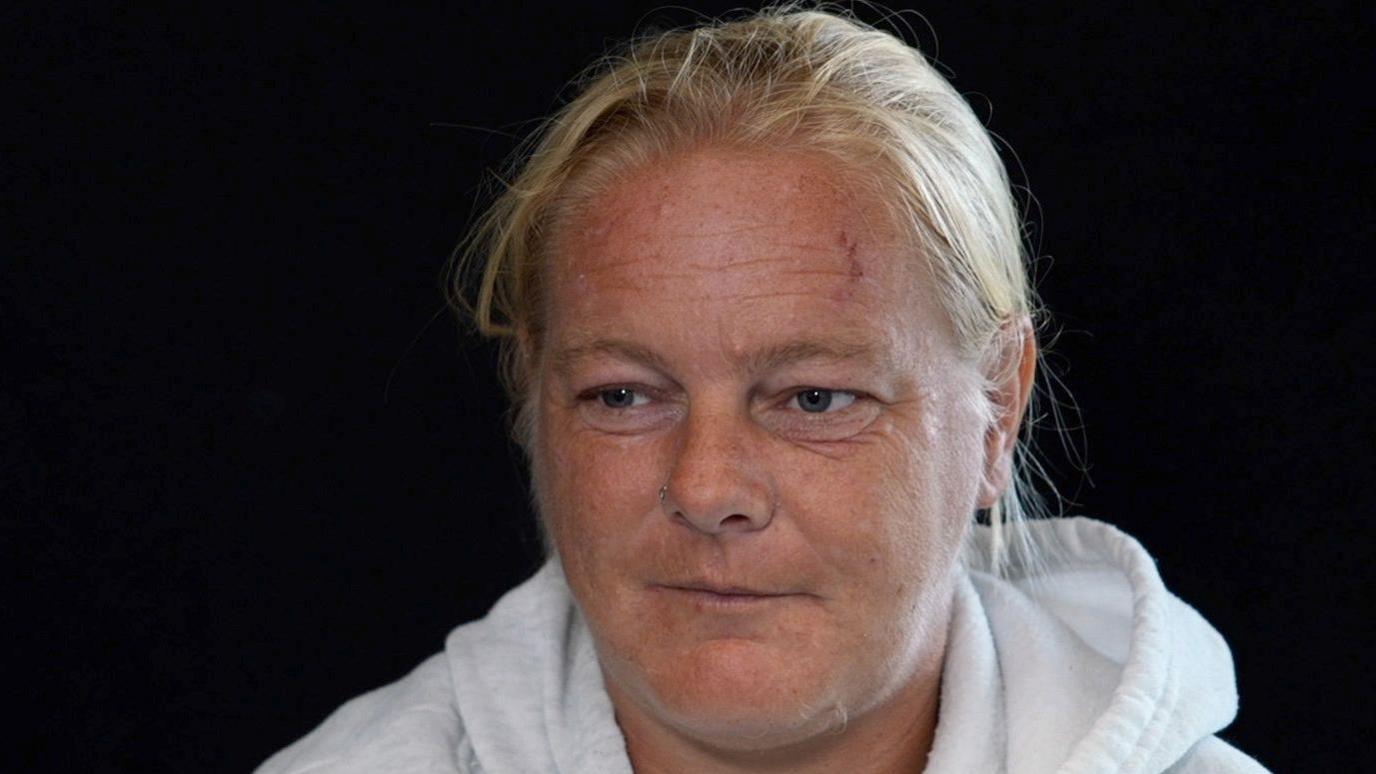 Image source, Shaun Whitmore/BBC
Nic Lambert believes she cannot live debt-free until there is a complete overhaul of benefits
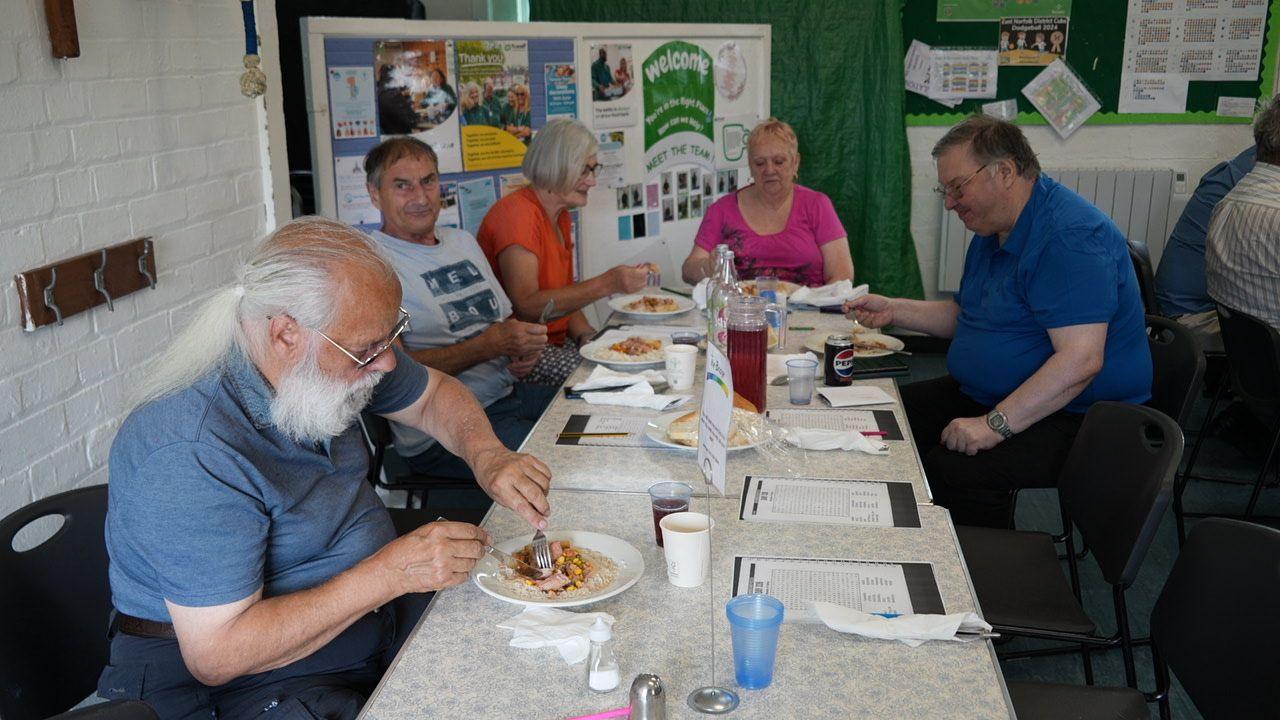 Image source, Shaun Whitmore/BBC
St Mary Magdalene Church also offers a free community lunch
Nic Lambert forks out for school trips, food, clothes and "everything else in between".
Another regular expense is train fares so her young daughter can access specialist cardiac care in London – a cost that would be covered by Disability Living Allowance, external, which she says she was waiting for.
Her Universal Credit , externaland wages only stretch so far, and she gets frustrated that the children still often miss out, "which isn't fair on them".
"It's absolutely devastating that I have to prioritise certain things and not give them the world that they deserve," she says.
"Fundamental change is needed within the [benefits] system and until that happens, it's just going to be a repeated cycle year after year, month after month.
"If they [the government] came up with a better plan to protect children in particular and keep children out of poverty, then not so many people would be in debt.
"I live day by day and hope for the best, because it's the only way you can be when you're relying on Universal Credit."
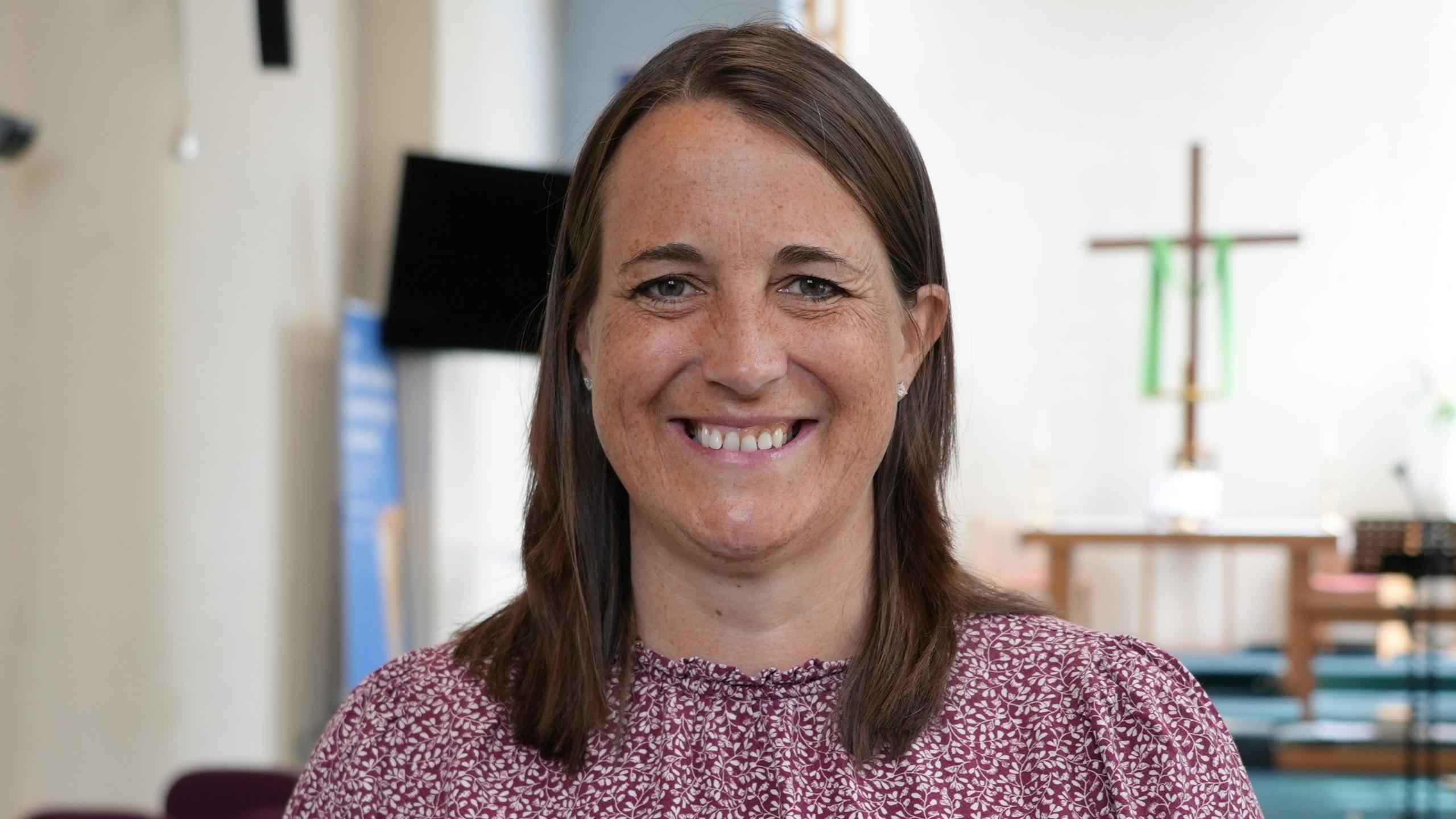 Image source, Shaun Whitmore/BBC
Anna Price says the estate surrounding the church faces many challenges
Anna Price, the community lead at St Mary Magdalene, says its work to build community resilience and break down isolation is hugely important.
"Many people get into a crisis partly because they're on their own and they've got no-one around them to help them make sense of things and help them move forward in life," she says.
"The cycles that I see of families, the kind of generational dependence on benefits, has meant that for some, they no longer have the skills or the upbringing to know how to hold down a job."
St Mary Magdalene sits within an estate with high levels of unemployment and "economically inactive" people who are neither in work nor looking for it.
Mental health issues, neurodivergent conditions, physical ill health and disabilities are also prevalent.
"You realise when you hear their stories and what their lives are like, that the idea of employment is very, very, very challenging," says Price.
"It is really heartbreaking, because it's a cycle that you feel like we're trapped in and can't easily see a way out of that."
But there is hope. Introducing a person in crisis to Tennant is "like picking somebody off the floor," she says.
"I've always found it very emotional; that they see there is a possibility to get out of debt and get on the right benefits.
"It's incredible."
A spokesperson for the Department for Work and Pensions said its Connect to Work programme was expected to support 4,000 people in Norfolk by 2029.
"We're committed to moving from a welfare state to a working state, giving people in Norfolk and beyond the support they need to move out of poverty and into work," they added.
"We will always work with anyone with an outstanding debt to find an affordable way to repay, which could include pointing individuals towards free debt advice and support services."
Do you have a story suggestion for Norfolk? Contact us below.
Get in touch
Your Voice
Follow Norfolk news on BBC Sounds, Facebook, external, Instagram, external and X, external.
Related topics
-
-
Published20 April
-