Is Burnham promising a new dawn for North Sea oil and gas?
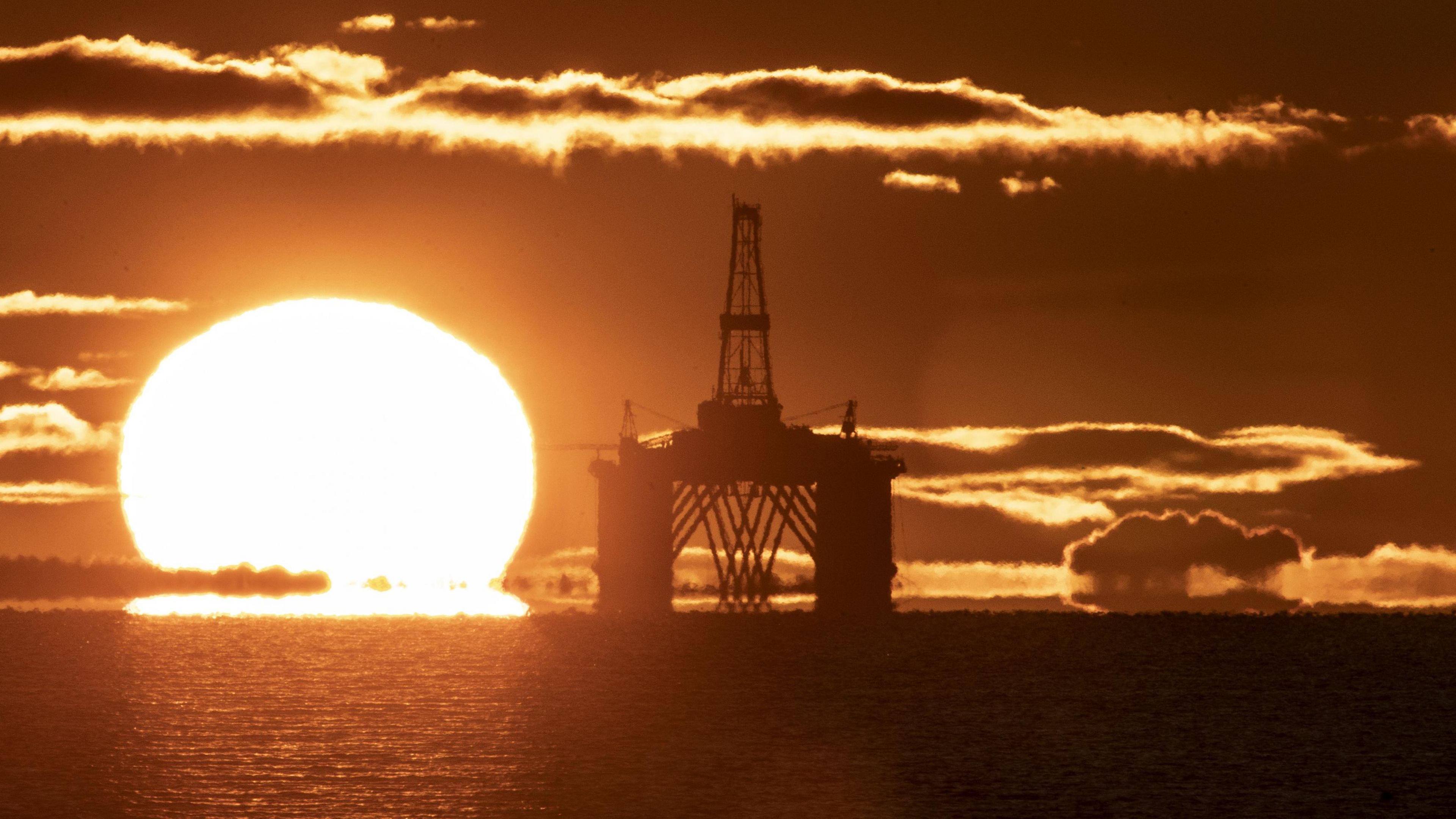 Image source, PA Media
-
Published1 hour ago
The final weekend before Andy Burnham enters Downing Street is being dominated by suggestions he'll announce plans for new drilling in the North Sea.
But that could mean many things.
We can be confident the new prime minister won't be confirming approval for the controversial Rosebank and Jackdaw fields on day one in the job.
The operators of those fields were given the go-ahead by the previous Conservative government but those decisions are having to be reconsidered because of a successful legal challenge.
Environmental groups Greenpeace and Uplift argued that ministers had not considered the full climate impact from burning fossil fuels which the fields would produce.
Despite both sites having production facilities in place, a lengthy process is still underway by the Offshore Petroleum Regulator for Environment and Decommissioning (Opred).
That is now in its final stages.
Both applications are subject to consultations which close in August and jumping the gun on those would certainly land the government back in court.
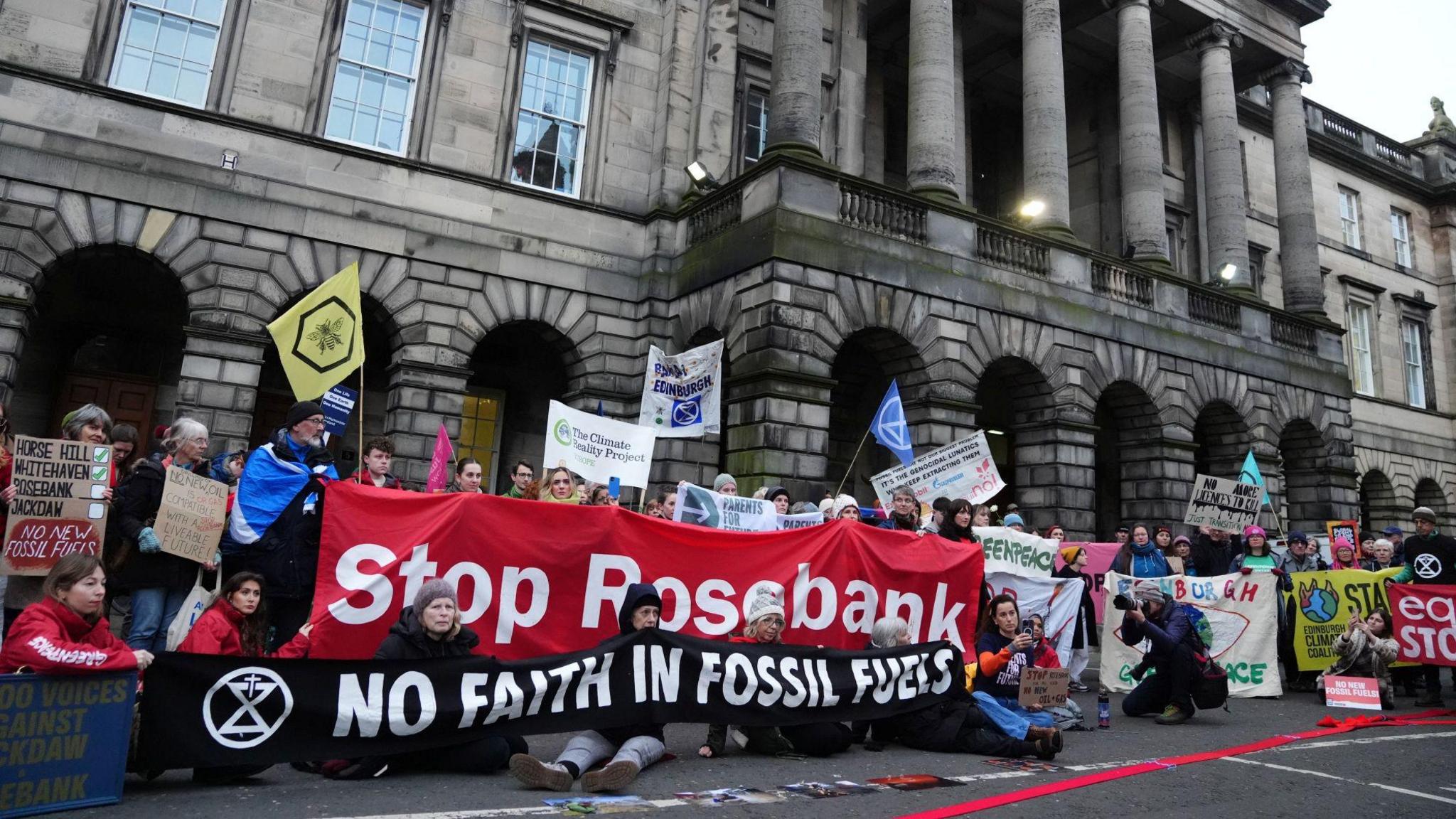 Image source, PA Media
Protestors against Rosebank gathered at the Court of Session in Edinburgh for a legal challenge
But while those two decisions are the most pressing and arguably most controversial in Burnham's energy in-tray, there are plenty of other matters he's going to have to take a view on.
The next biggest relates to oil and gas exploration licences. These give operators the exclusive right to explore for hydrocarbon deposits within an area of sea known as a "block."
Labour's 2024 election manifesto pledged to ban new licences, and that promise was carried out by Energy Secretary Ed Miliband soon after Labour came to power.
The government has already agreed to a significant concession by allowing "tie-backs" – production in unlicensed areas which are close by and connected to infrastructure in already licensed areas.
That dances around the manifesto commitment but, strictly speaking, does not break it. Anything further certainly would.
There's also no great desire within the oil and gas industry for full licences to explore totally unknown areas of seabed. These require huge amounts of capital investment and are a big gamble.
Over recent decades, the oil supermajors like BP, Shell and TotalEnergies have been selling off their assets to smaller operators whose pockets are not as deep.
Their mission is not to explore but to extract what's left in known fields.
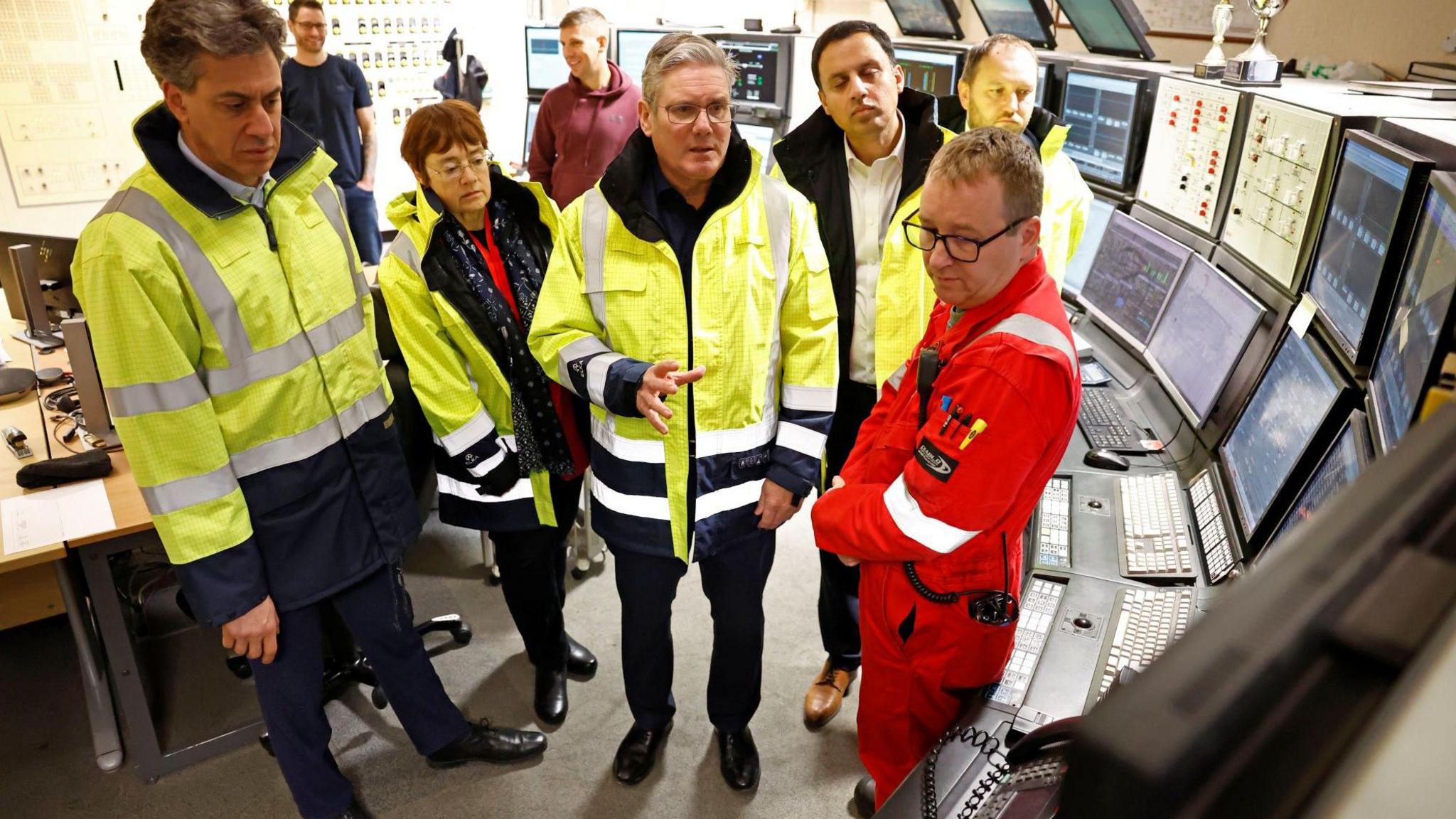 Image source, Getty Images
Senior Labour figures visited the St Fergus gas terminal in Aberdeenshire in 2023
Other options for Burnham include scrapping the Energy Profits Levy (EPL), or windfall tax. This was introduced when prices spiked at the start of Russia's invasion of Ukraine.
It has a headline rate of 78%, which is taken whether oil and gas prices are high or low.
The industry says it makes the North Sea one of the least favourable in the world for investors and there is strong evidence that investment has certainly dried up in those years.
It's due to be replaced in 2030 by another windfall tax, which operators like more because it's only triggered when prices are high and falls back when they are low.
While politicians have been arguing furiously over Jackdaw, Rosebank, and new exploration licences, it's the EPL which the industry would most like the new prime minister to focus on.
It's also the one which is likely to face the least opposition from environmentalists.
It does fit in with one of Andy Burnham's missions of reindustrialisation by encouraging the kind of investment that brings and secures jobs.
But it's the least politically sexy option to take.
So what he does there may help define whether the new PM is about grabbing headlines or making genuine moves to stimulate the economy.
Related topics
-
-
Published4 days ago
-
-
-
Published2 April
-
-
-
Published30 April
-