Yes, there have been rows but here's how I've made moving back home work
 Image source, Natasha Suman
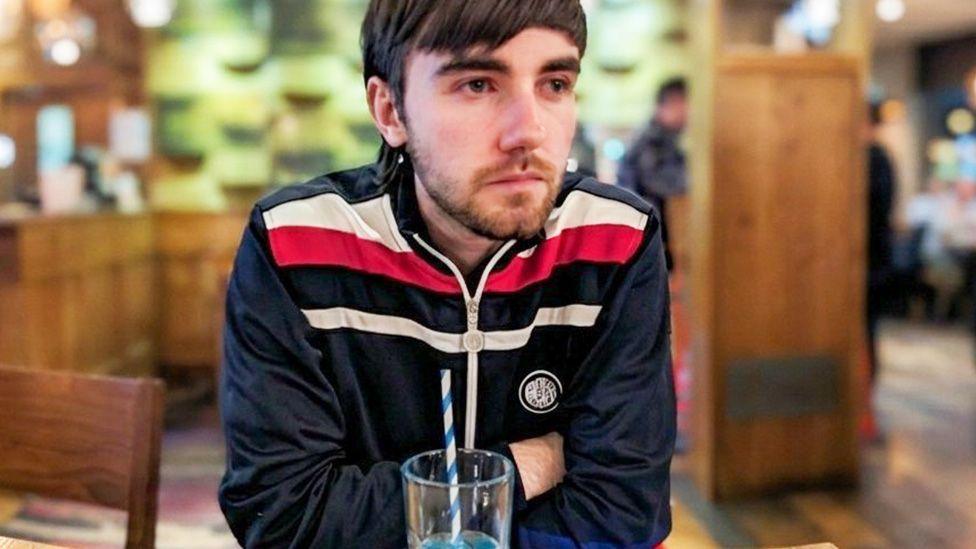
Natasha Suman (right) with her parents, Rita and Pawan
-
Published23 minutes ago
When 24-year-old Natasha Suman moved back into her parents' home in Bedford after university, she only expected it to be for a "few months" while she searched for her first job. But almost three years later, she's still there, saving for a deposit on her first home.
The marketing coordinator pays towards bills but doesn't pay rent, so is able to put aside £1,000 a month in a Lifetime ISA – a tax-free account topped up by the government.
That would have been impossible had she lived by herself, she says, given the "cost of living".
However, Natasha admits she has "less freedom" than when she lived independently and generally does fewer "spontaneous things".
She also argues more with her family than she used to, despite feeling very fortunate to live with them.
"When I left home [for university], I was a very different person, and by the time I came back, I had essentially become an adult," she says.
"Because of that, there have definitely been some clashes between me and my parents."
'It's been an adjustment for all of us'
The proportion of people in their 20s and 30s living with their parents has increased sharply over the last three decades, as rising house prices and rents have forced many to move back in to save for their first home.
But while it can be a practical way to save money or deal with the loss of a job or a relationship breakdown, it often comes with frustrations, such as feeling like you've lost your independence or even regressed to childhood.
For Natasha and her parents, Rita and Pawan, flashpoints have included shared use of the family car after her own vehicle broke down, disagreements over how chores are divided, and how much time to spend together – with her parents wanting to see more of her.
"It has been an adjustment for all of us.
"A lot of these disagreements stem from the fact that we are now four adults living together, all with our own routines, expectations and opinions."
Problems have been avoided by having conversations early on, she says.
Her parents set "clear expectations" such as cleaning up after herself and making her own lunch.
The family has also discussed privacy, with Natasha asking her parents to knock before coming into her room.
"I tend to spend more time in my room to relax and unwind than I did before. Initially, my parents did not really understand this, but after talking about it, they have become more understanding."
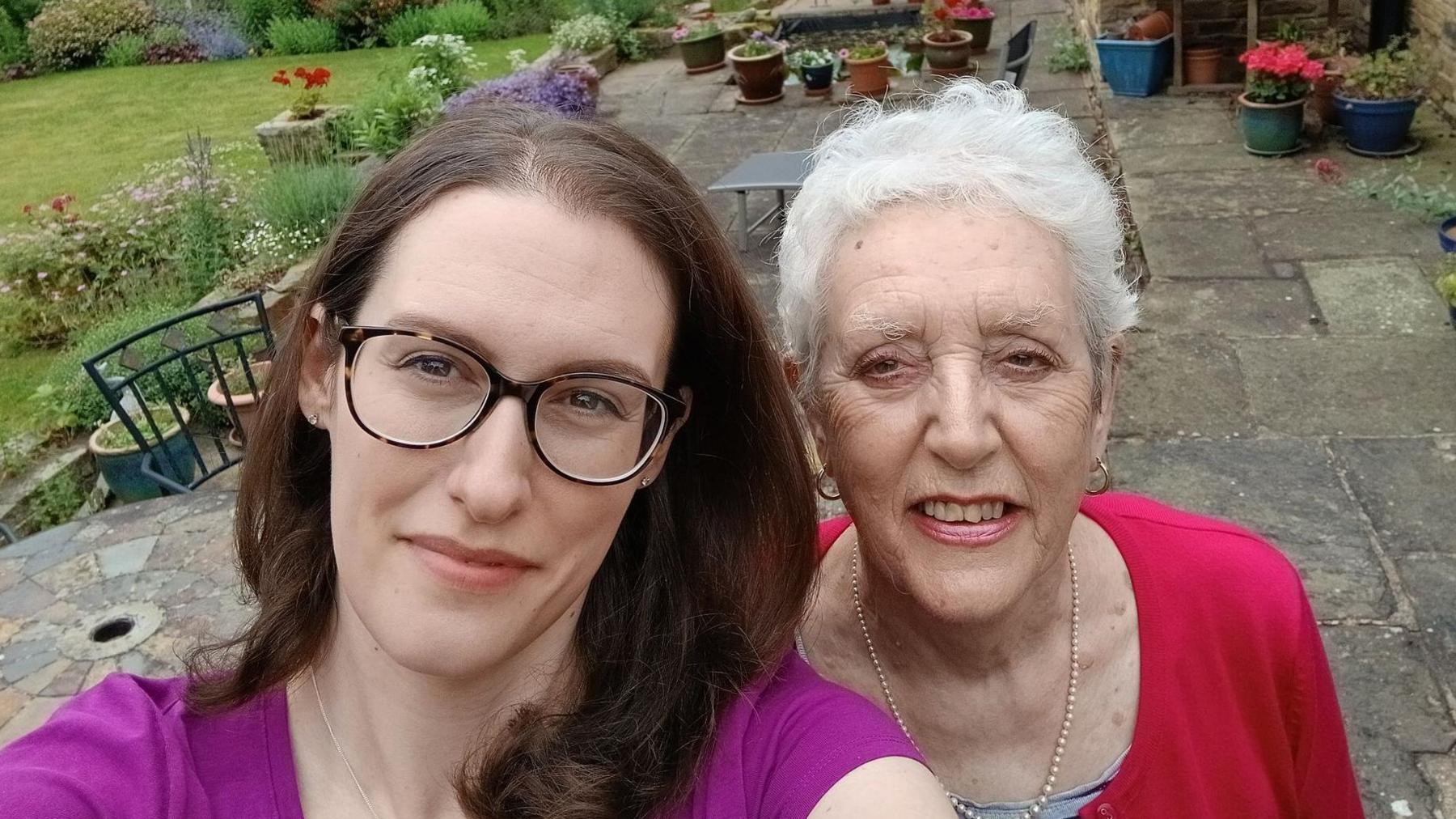 Image source, Caroline Bentham
Caroline Bentham has lived with her mother Mary for nearly seven years
Loss of privacy is one of the most common issues adult children face when they live with their parents, says Dr Fenia Christodoulidi, head of training and consultancy at counselling service Relate.
Disagreements about overnight stays, guests, noise levels and use of shared spaces are all common problems, she says.
Some parents also comment on their adult child's lifestyle or relationships, which can make them feel "scrutinised or controlled".
Christodoulidi says things tend to work best when both sides recognise "they are no longer in a parent-child relationship alone, but also 'adult housemates' sharing a home.
"The biggest challenge is often not money, but role confusion. Parents can slip back into parenting, while adult children can unconsciously revert to acting immature."
'Parents can slip back into parenting'
Caroline Bentham, 37, who has lived with her mother Mary in Yorkshire for nearly seven years, says the experience has been really positive – although she "never imagined this would be me in my 30s".
She split from her partner in 2019 and was only supposed to live with her mum for six to 12 months while she started her PhD. But then the pandemic hit, along with various other life events, and she says it "kept making sense" to stay.
The transition to living together again was a "real challenge" at first, she says, as her mum struggled to give up control in areas like the kitchen. They also had "lots of arguments" as they worked out "how to be around each other".
"It might sound cliché but we had to learn a new way of communicating," she says.
One of the biggest benefits of living with her mother is the emotional support they give each other, Caroline says. But she admits the arrangement is sometimes not great for her self-esteem and there is "definitely a stigma about living with parents".
Tips for adults who live with their parents
-
Agree practical expectations around finances, chores, visitors, quiet times and shared spaces
-
Recognise that living at home does not mean reverting to dependence and contribute where you can, financially and/or in terms of housework
-
Don't assume old family roles still apply: what worked when you were 16 is unlikely to work when you are 36
Source: Relate
Christodoulidi says one of the overlooked advantages of living as an adult with a parent is the chance to know each other differently.
"Parents often begin to see their child as another adult, while adult children gain a fuller understanding of their parents as people rather than simply as parents."
She also says society needs to ditch the stereotype that adult children who still live at home have "failed to launch".
Natasha says it helps to remind herself that living with her family is a "temporary" situation that will "lead to a better outcome in the future".
The extra time she gets to spend with her parents is a "blessing", she adds.
"One day I'll move out, get married and have my own family, and I won't have as much time with them," she says.

Get in touch
What do you think about parents charging their adult children rent to live at home? Tell us your views and experiences.
Related topics
-
-
Published13 January 2025
-